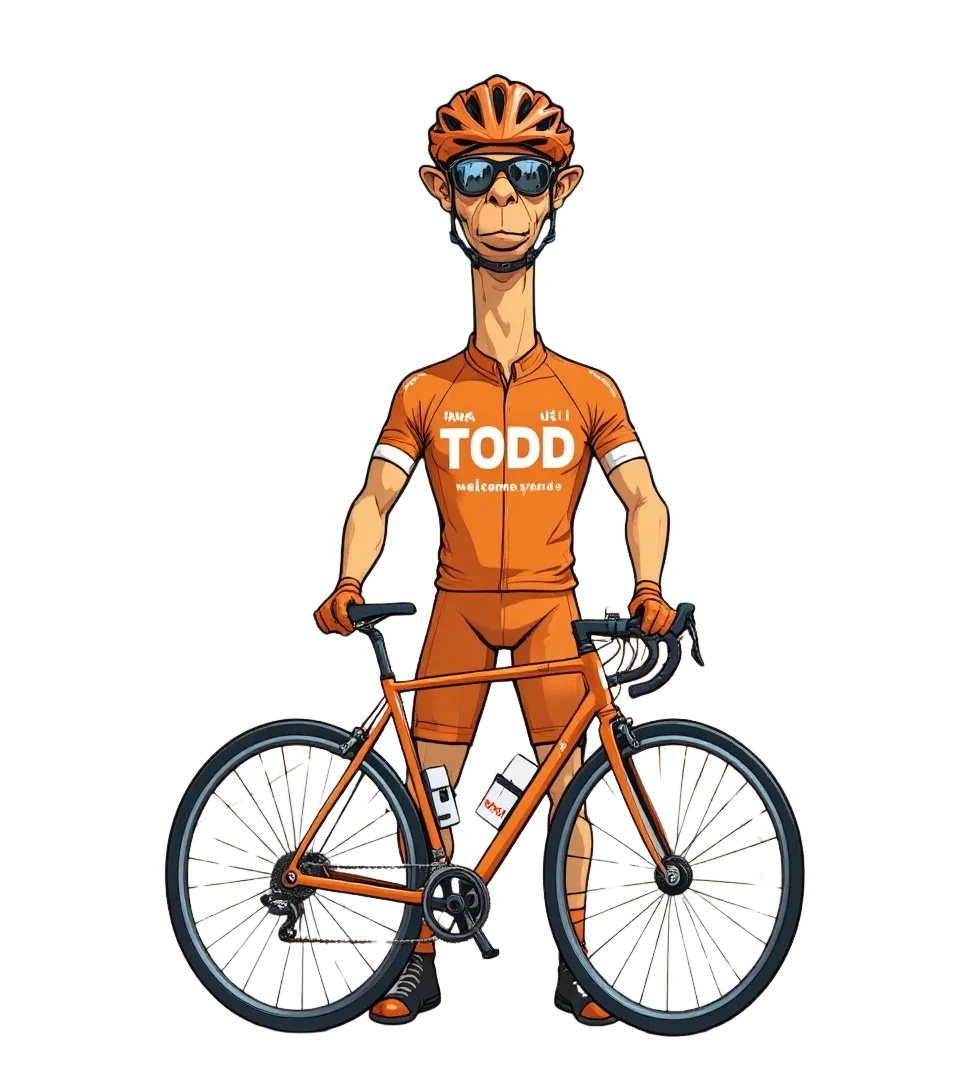
Thar Desert · Rajasthan · India · 8-Day Cycling Expedition

Tour of Deserts

Jaipur 🌸 Pink City Jodhpur 💙 Blue City Jaisalmer ✨ Golden City

"Where the silence of the sands speaks louder than words." — 600 km across the Thar Desert, from the Pink City to the Golden Frontier, ending at the edge of India itself.

600 kmTotal Distance
8 Days6 Riding Days
3 CitiesPink · Blue · Golden
LongewalaGrand Finale
The Desert Calls

600 km Through Rajasthan's Living Legend

There are cycling expeditions that test your legs. There are expeditions that test your altitude. And then there is the Tour of Deserts — an expedition that tests something older and deeper: your capacity to move through one of the world's most ancient and beautiful landscapes at a pace that lets it actually reach you. Six hundred kilometres across the Thar Desert, from the Pink City of Jaipur to the golden walls of Jaisalmer, finishing at the Longewala Border and Tanot Mata Mandir — the frontier where India meets the desert sky.

The Tour of Deserts is a premium, fully supported 8-day cycling expedition through the heart of Rajasthan — the land of maharajas, camel caravans, sandstone forts, and desert sunsets that turn the world amber and violet and gold. Six riding days carry you through some of the most iconic landscapes and culturally rich cities in all of India: the bazaars of Jaipur, the sacred lake of Pushkar, the towering Mehrangarh Fort of Jodhpur, the remote desert village of Dechu near Pokhran, and finally the living fortress of Jaisalmer glittering gold in the setting sun.

Unlike mountain expeditions, the Thar Desert presents its own, entirely different category of challenge: sustained endurance across flat to rolling terrain, extreme heat management, wind resistance on open desert highways, hydration discipline, and the mental resilience required to maintain consistent effort across multiple long back-to-back riding days. Day 3 is a double century — 180 km from Pushkar to Jodhpur. Day 5 is 120 km into the deep Thar, and Day 6 is 155 km through Pokhran's nuclear legacy to Jaisalmer's glittering walls. These are genuine endurance challenges that demand real preparation and real respect.

"Every fort we passed, every camel we overtook, every village that waved at us — this is what cycling was made for. Not just to cover distance, but to actually be somewhere." — Participant, TOD 2025
🏯 Jaipur The Pink City · Start Day 0
🔵 Jodhpur The Blue City · Day 3 Day 4 Rest
Jaisalmer The Golden City · Finale Day 6 Arrival
Jaipur Sambhar 73km Pushkar 99km Jodhpur 180km City Tour Dechu 120km Jaisalmer 155km Longewala + Tanot Mata ★
Six Reasons This Expedition Is Unforgettable

What Sets Tour of Deserts Apart From Every Other Cycling Tour

This is not a city-to-city ride with scenery along the way. This is an immersive journey through one of the world's most remarkable living civilisations — at the pace only a bicycle can provide.

🏯

Three Legendary Cities — One Ride

Jaipur's rose-pink bazaars, Jodhpur's cobalt-blue lanes below Mehrangarh Fort, and Jaisalmer's golden sandstone rising from the desert floor — these are three of the most visually stunning cities in India. Cycling between them across the Thar Desert means you arrive as a traveller who earned the view, not one who paid for it from a bus window.

🏰

Heritage Palace Stays Every Night

Every overnight on the Tour of Deserts is a handpicked heritage property — havelis, palace hotels, and heritage resorts that place you inside the living architecture of Rajasthan's royal past. After a long riding day, arriving at a heritage courtyard with a Rajasthani thali, live folk music, and starlit rooftop is not just rest — it is part of the expedition itself.

🎖️

The Grand Finale — Longewala & Tanot Mata Mandir

No other cycling expedition in India ends at the Longewala Border — the site of the legendary 1971 India-Pakistan Battle of Longewala, immortalised in the film Border. From Jaisalmer, the final stage rides 140 km to Longewala and continues to the miraculous Tanot Mata Mandir — a temple at India's very frontier where shells fired during the 1971 war are displayed unfired at the temple walls. It is one of the most emotionally charged finishes in Indian adventure cycling.

🎥

3 Custom Jerseys + Professional Media Coverage

Every Tour of Deserts rider receives three custom cycling jerseys — a unique souvenir for each phase of the expedition. Professional photographers and videographers accompany the group throughout, producing a highlight reel, personalised short videos, and finisher memorabilia that document the journey as a permanent keepsake. This is the most media-rich cycling expedition in India.

🐪

Desert Safari, Pushkar Lake & Jodhpur's Forts

The TOD itinerary is not just riding — it is curated cultural immersion at every stop. Sambhar Lake (India's largest inland salt lake), the sacred Pushkar Lake and Brahma Temple, Jodhpur's Mehrangarh Fort and Jaswant Thada, Pokhran's nuclear legacy, a desert safari after Jaisalmer's arrival, and the Chail Wildlife Sanctuary of Dechu — these are world-class experiences built into the riding schedule, not extras to arrange independently.

🍛

Authentic Rajasthani Feasts — Fuel and Culture

Dal Baati Churma. Laal Maas. Gatte ki Sabzi. Ker Sangri. Bajra Roti. Rajasthani cuisine is one of the great food cultures of India — intensely flavoured, ancient in its roots, and perfectly suited to riders who have covered 100+ km. The TOD nutrition plan specifically uses local Rajasthani food as part of its endurance fuelling strategy. Eating here is not just recovery — it is an education.

02
🏰

Day 3 Arrival · Day 4 Rest · 231 m

Jodhpur

The Blue City — where every wall is painted indigo beneath the massive Mehrangarh Fort. Jaswant Thada, Umaid Bhawan Palace, Sardar Market. A rest day here means one full day lost inside one of India's most extraordinary cities.

03

Day 6 Arrival · Grand Finale · 225 m

Jaisalmer

The Golden City — a living sandstone fortress rising from the Thar Desert, home to intricately carved havelis, camel traders, and desert sunsets that turn the world gold. From here the final stage rides to India's frontier.

140 km · Day 7 · Jaisalmer → Longewala → Tanot Mata Mandir

The Grand Finale at India's Frontier

In December 1971, a company of just 120 Indian soldiers held the Longewala Post against a Pakistani armoured column of nearly 2,000 troops through an entire night — an act of extraordinary military courage that became one of the most celebrated battles in Indian military history and the inspiration for the film Border. The battlefield is preserved exactly as it was.

From Jaisalmer, the final stage of the Tour of Deserts rides 140 km through the deep Thar to Longewala — and then onward to Tanot Mata Mandir, the frontier temple where shells fired during the 1971 war are displayed unfired in a glass case at the temple entrance. The mandir stands at the very edge of India, watched over by border security forces.

This is where the Tour of Deserts ends. Not at a hotel finish line. Not at a city monument. At India's frontier, at a temple where the miraculous and the military meet in the silence of the Thar Desert. It is the most powerful expedition finish in Indian cycling.

Stage Distances at a Glance

73 kmDay 1 · Jaipur → Sambhar
99 kmDay 2 · Sambhar → Pushkar
180 kmDay 3 · Pushkar → Jodhpur
CityDay 4 · Jodhpur Tour
120 kmDay 5 · Jodhpur → Dechu
155 kmDay 6 · Dechu → Jaisalmer
140 kmDay 7 · Longewala + Tanot ★
Day by Day

The Complete 8-Day Expedition Plan

Every stage in full — distances, terrain character, cultural stops, and what the riding experience actually delivers.

D0
Day 0 · Arrival · Jaipur · 431 m

Jaipur — Arrival, Briefing, Goodie Bag & Welcome Dinner

Arrive by 12:00 PM Deadline Heritage Hotel Stay 3 Jerseys + Goodie Bag Distributed

Arrive at Jaipur Airport / Railway Station / Bus Stand by 12:00 PM (inform the team if delayed). Transfer to the heritage hotel, check-in, and settle in. Afternoon bicycle setup and inspection — mechanics check brakes, gears, tyres, and accessories; test rides confirm everything is road-ready. Full expedition briefing covers the complete 8-day route, daily riding plans, hydration strategy (stops every 25–40 km), safety protocols, support team introduction (mechanics, media crew, medical), and daily ride expectations. Goodie bag distribution: three custom cycling jerseys, route maps, snacks, and expedition essentials. Optional short exploratory ride or visit to nearby Johari Bazaar. Group welcome dinner at 8:00 PM — Rajasthani hospitality and early rest before Day 1's flag-off at 6:00 AM.

D1
Day 1 · 73 km · Jaipur → Sambhar

Jaipur → Sambhar Lake — Ride into the Rajasthani Countryside

73 km · Flat to Rolling Hydration every 25km Sambhar Lake — India's Largest Inland Salt Lake

5:00 AM wake-up. 6:00 AM flag-off from Jaipur — the first sight of the full group rolling out together through the Pink City's streets before dawn is one of the most energising moments of the entire expedition. The route follows flat to rolling roads through semi-arid landscapes, transitioning from Jaipur's urban buzz to the rustic calm of Rajasthan's countryside — villages, open fields, camel carts, and the first taste of true desert air. Hydration checkpoint every 25 km. Breakfast at the 25 km mark, mid-ride meal at 50 km. Arrive at Sambhar (India's largest inland salt lake) by afternoon — a vast shimmering mineral expanse that turns crimson and violet at sunset, home to flamingoes and migratory birds. Post-ride recovery session. Heritage stay, Rajasthani dinner, group debrief, and early rest for Day 2.

D2
Day 2 · 99 km · Sambhar → Pushkar

Sambhar → Pushkar — The Sacred Lake & Brahma Temple

99 km · Flat to Rolling Hydration every 25km Pushkar Lake · Only Brahma Temple in India

The longest riding day so far — 99 km through flat to rolling semi-arid terrain with increasing desert character. Four hydration stops at 25 km intervals keep energy consistent throughout. The route passes through traditional Rajasthani villages where the expedition is often cheered by locals — one of the warmest aspects of the TOD experience. Arrive at Pushkar — one of the holiest towns in India, home to the sacred Pushkar Lake surrounded by 52 ghats and the only Brahma Temple in the world. The famous Pushkar Camel Fair (the world's largest) takes place here annually. Optional: circumambulation of the lake, Brahma Temple visit, sunset at the ghats, or exploration of the market (world-famous for textiles and camel leather). Heritage stay with pool access. Rajasthani thali dinner, group debrief, and rest for Day 3 — the double century.

D3
Day 3 · 180 km · THE DOUBLE CENTURY · Pushkar → Jodhpur

Pushkar → Jodhpur — The Thar Desert Double Century

180 km — Double Century Arid Desert Roads · Open Highways Hydration every 40km · 4 checkpoint stops

The expedition's defining day — and the one that separates riders who have prepared from those who have not. One hundred and eighty kilometres from Pushkar across raw Thar Desert terrain to Jodhpur's towering blue city walls. Fuel up well — distance is double century. Hydration stops every 40 km; breakfast at 40 km, mid-ride meal at 80 km, lunch at 120 km, final push fuel at 160 km. The desert roads are arid and open, passing remote villages, gradual climbs, and long straight highways through landscape that shifts in colour and texture as the day progresses. Arriving in Jodhpur by late afternoon — watching Mehrangarh Fort materialise above the blue city as you approach from the desert — is one of the great arrival moments in Indian cycling. Heritage hotel check-in, post-ride recovery, massage optional. Rajasthani feast dinner with live folk music. Early rest — tomorrow Jodhpur is yours to explore.

D4
Day 4 · Rest Day · Jodhpur City Tour

Jodhpur — Mehrangarh Fort, Blue City Walk, Jaswant Thada & Umaid Bhawan

Full Rest Day Mehrangarh Fort · Jaswant Thada · Blue City Lanes · Umaid Bhawan Physiotherapy & Massage Available

A completely earned rest and cultural immersion day. 9:00 AM leisurely breakfast before a guided vehicle-supported city tour conserving leg energy. Mehrangarh Fort — one of the largest forts in India, rising 122 m above Jodhpur on a sheer cliff, with panoramic views of the blue city below and a museum of royal artefacts. Jaswant Thada — an exquisite marble memorial built in 1899 with an ethereal, almost translucent glow in afternoon light. A walk through the iconic blue lanes of Sardar Market — Jodhpur's old city neighbourhood where every wall is painted indigo, a tradition begun to keep mosquitoes away and to mark Brahmin homes. Photo stop at Umaid Bhawan Palace — one of the last great palaces built in India, part royal residence and part heritage hotel. Afternoon free for pool, spa, shopping (Jodhpur is famous for mojri shoes, textiles, and Rajasthani handicrafts). Evening bike tune-up by mechanics. Group debrief for Day 5. Dinner at the hotel with Rajasthani folk music.

D5
Day 5 · 120 km · Jodhpur → Dechu

Jodhpur → Dechu — Deep Thar Desert & Pokhran's Nuclear Legacy

120 km · Deep Desert Terrain Hydration every 40km · Electrolytes every 30 min Pokhran Fort Optional · Desert Sand Dune Ride

The Thar deepens. This stage leaves Jodhpur behind and enters the true remote desert — arid roads, flat open plains, occasional rolling dunes, remote villages, and the vast silence of the Thar that has defined this landscape for millennia. Hydration every 40 km; breakfast at 40 km, mid-ride fuel at 80 km. Arrive at Dechu — a small heritage desert settlement near Pokhran, the site of India's historic 1974 and 1998 nuclear tests in the desert. Optional shuttle visit to Pokhran Fort or local artisan workshops. Dinner under the desert stars — the absence of light pollution here makes the Milky Way visible in extraordinary clarity. Sand dune ride available at the property reception for those wanting to experience the Thar up close on camelback. Rest for Day 6's long desert stage to Jaisalmer.

D6
Day 6 · 155 km · Dechu → Jaisalmer

Dechu → Jaisalmer — Pedal to Glory Through Stark Desert Vistas

155 km · Stark Desert Vistas Hydration every 40km Pokhran Breakfast Stop · Desert Safari in Jaisalmer Evening

"Today's the day — pedal to glory!" The motivational briefing says it simply: this is the final full riding day, and Jaisalmer's golden sandstone walls are the reward. One hundred and fifty-five kilometres through the Thar's most atmospheric terrain — stark desert vistas, long straight desert highways, occasional glimpses of distant sand dunes, and the increasing sense that civilisation is thinning to something older and deeper. Breakfast stop in Pokhran — a town that holds a unique place in India's scientific and military history. Hydration at 80 km, lunch at 120 km, final fuel at 150 km. Arrive in Jaisalmer by late afternoon: the Sonar Quila (the Golden Fort) materialising from the desert horizon, its sandstone walls catching the late sun and glowing amber, ochre, and gold. Heritage stay arrival. After hi-tea, the group departs for a desert safari — camel ride across the Sam sand dunes at sunset, the Thar Desert at its most otherworldly. Dinner and rest — tomorrow is the Grand Finale.

D7
Day 7 · 140 km · THE GRAND FINALE ★

Jaisalmer → Longewala Border → Tanot Mata Mandir — India's Frontier

★ GRAND FINALE · 140 km Flat Desert Highway · Military Zones Longewala 1971 Battlefield · Tanot Mata Mandir

The expedition's most emotionally charged and historically profound day. Morning warm-up and stretching. Departure from Jaisalmer into the deep desert on the highway toward India's western frontier. The route to Longewala passes through Indian Army territory — flat desert highway, extreme openness, and the growing awareness that you are riding toward the very edge of the country. At Longewala, the site of the December 1971 battle where 120 Indian soldiers held off a Pakistani armoured column for an entire night is preserved as a national monument — destroyed enemy tanks, a small museum, and a memorial that communicates the full weight of what happened here. The ride continues to Tanot Mata Mandir — the frontier temple where Indian Border Security Forces maintain permanent guard, and where Pakistan Army shells fired during the 1971 war are displayed in a glass cabinet at the temple, unfired, as testament to what believers consider a miracle. At the Mandir, the expedition is complete. Support vehicles return the full group to Jaisalmer for the Grand Finale Closing Ceremony: victory celebrations, group photographs, award ceremony (mementos and badges for every rider), dinner, music, and a night to honour what was accomplished together. This is the most powerful expedition finish in Indian cycling.

D8
Day 8 · Departures

Jaisalmer — Farewell Breakfast & Return Transfers

Flexible 7–9 AM Breakfast Shared Bus to Delhi Airport/Railway/Bus Stand

Final breakfast at the hotel (flexible timing based on your departure schedule). Bikes already packed by the support team on Day 7 evening — collect all personal gear from support vehicles. Shared/private cabs to Jaisalmer Railway Station, Airport, or Bus Stand. A shared bus is arranged for Delhi Airport / Railway Station / Bus Stand — exact timings coordinated the night before. Namaste until we meet again.

Where You Sleep

Heritage Stays — Every Single Night

The Tour of Deserts doesn't end the riding day at a business hotel. Every overnight is a handpicked heritage property — havelis, palace hotels, and desert resorts that are part of the Rajasthan experience itself.

🏯 Day 0 · Jaipur

Jaipur Heritage Hotel

The Pink City's heritage properties are some of the finest in Rajasthan — Mughal courtyards, Rajput arches, and rose-coloured sandstone. The expedition begins in regal comfort.

🦩 Day 1 · Sambhar

Sambhar Lake Heritage Stay

Beside India's largest inland salt lake — flamingoes at dawn, mineral-white expanse at dusk, and a remote desert character that marks the first full departure from city life.

🕌 Day 2 · Pushkar

Pushkar Heritage Resort

The holy city's heritage properties surround the sacred lake. Rooftop views of the ghats, temple bells at dawn, and the fragrance of marigold garlands in the market below.

🔵 Days 3–4 · Jodhpur

Jodhpur Heritage Hotel

In the shadow of Mehrangarh Fort — two nights in the Blue City, with a full rest day for cultural exploration. Rajasthani feasts, folk music evenings, and pool recovery.

🌅 Day 5 · Dechu

Deep Desert Heritage Stay

Near Pokhran in the deep Thar — a remote desert property where the Milky Way is fully visible, camel dune rides are available, and dinner is under open desert stars.

Days 6–7 · Jaisalmer

Jaisalmer Golden City Stay

Inside or beside the living sandstone fort — two nights in the Golden City, the desert safari, and the Grand Finale closing ceremony. The most memorable accommodation of the expedition.

Get Ready

Complete Training & Preparation Guide

Desert cycling demands a specific kind of preparation — less about altitude, more about endurance, heat management, and the mental ability to sustain effort across 100–180 km days. Begin training 8–12 weeks before departure.

🚴

Cycling Training (8–12 Weeks)

  • Weeks 1–3: base phase — 3–4 rides/week, 50–70 km each on flat to rolling terrain; build saddle time and endurance comfort
  • Weeks 4–6: build phase — one long ride per week targeting 80–100 km; introduce back-to-back riding days every fortnight
  • Weeks 7–10: expedition simulation — 100 km long ride weekly; one 140–150 km ride in this period to prepare for Day 5 and Day 6
  • Day 3 benchmark (double century): train to complete 140–150 km without full exhaustion before the expedition — this is the day that separates prepared from unprepared riders
  • Heat training: ride in the warmest part of the day (10 AM–2 PM) at least once weekly from Week 4 — desert sun is the expedition's primary challenge, not gradient
  • Taper final 2 weeks: shorter rides, prioritise sleep, nutrition, and hydration habits
🌡

Heat & Desert Conditions

  • The Thar Desert in riding season is hot — daytime temperatures 30–40°C, rising significantly in late season; begin heat acclimatisation in training from Week 4
  • Hydration: the desert demands 4–5 litres daily — significantly more than hill or Himalayan riding; TOD provides hydration stops every 25–40 km but always carry 1.5–2L on your bike
  • Electrolytes every 30 minutes on all riding days — salt loss in desert heat is extreme; electrolyte depletion causes cramps, cognitive fog, and rapid performance collapse
  • Early starts: every stage flags off at 6:00 AM — this is not optional. The desert is most rideable before 10 AM; mid-afternoon sun is the hardest physical challenge on Day 3 and Day 6
  • Sun protection: full-length arm sleeves, SPF 70+ sunscreen applied every 90 minutes, UV-rated cycling jersey, neckguard or buff — desert UV is extreme and sustained
  • Wind: the Thar generates headwinds on open stretches — learn to draft and manage pacing in wind; it costs far more energy than it appears
🥗

Nutrition & Fuelling

  • Desert endurance requires carbohydrate-dominated fuelling — on-bike eating every 45 minutes from the start, regardless of appetite or distance covered
  • Day 3 (double century) requires specific nutrition planning: breakfast before flag-off (oats + eggs + banana), structured 40 km interval refuels, and electrolyte discipline throughout
  • TOD's Rajasthani meals are carbohydrate-rich and perfectly calibrated for riding recovery — eat every meal completely even when appetite is suppressed by heat
  • Night-before loading: Dal Baati, rice, roti — carbohydrate rich traditional Rajasthani food the evening before long stages (Days 2, 4, and 5) directly supports performance
  • Avoid heavy, fatty, or spicy food immediately before riding days — the desert heat combined with digestion effort is debilitating on the bike
  • Alcohol: avoid throughout the expedition — dehydration in desert heat is compounded exponentially by any alcohol consumption
💪

Strength & Recovery

  • Core stability: planks, dead bugs, side planks — daily 10 minutes; essential for 6+ hour saddle days on flat desert roads where postural fatigue is the primary discomfort
  • Lower back: yoga and hip flexor stretching daily from Week 3 — the flat desert riding position stresses the lumbar region more than climbing
  • Saddle time: increase steadily — 4 consecutive riding days is the expedition's core physical demand; simulate back-to-back days in training from Week 5
  • TOD includes fitness-coach-led warm-ups and cooldowns daily — participate fully; these sessions significantly reduce injury risk and next-day soreness
  • Physiotherapy and massage available at Jodhpur rest day — use them; the rest day is strategically placed after the double century for maximum recovery
  • Sleep: the 9:30 PM lights-out is not a suggestion — 6:00 AM flag-offs require full recovery sleep; respect the schedule
🧠

Mental Preparation

  • Day 3 (180 km) is the expedition's defining mental test — know this before you arrive and develop a 40 km mental segment strategy to break it into manageable pieces
  • The desert can feel monotonous on long stretches — train your mind to find interest in subtle landscape changes, fellow riders, and your own rhythm
  • Set a sustainable pace from Pushkar's flag-off on Day 3 — the riders who struggle finish the double century by riding the first 60 km too hard
  • Embrace the cutoff rule: if you miss a stage cutoff, support vehicles take you safely to the hotel. This is not failure — it is the safety system working. Cooperate fully.
  • The Grand Finale at Longewala and Tanot Mata Mandir is one of the most emotionally charged experiences in Indian cycling — go there knowing the history
  • Community riding: 30 slots only per edition. The small group character of TOD creates genuine bonds — invest in the group experience from Day 0 onwards
🌍

International Riders

  • Jaipur International Airport receives direct flights from Dubai, Abu Dhabi, Singapore, Bangkok, Kuala Lumpur, Muscat, and major hubs — one of the best-connected cities in India for international arrivals
  • India e-visa available for most nationalities at indianvisaonline.gov.in — apply minimum 4 days in advance, recommended 2 weeks ahead
  • No Inner Line Permits required — Rajasthan's Thar Desert and the Longewala/Tanot route requires coordination with military authorities, handled entirely by TOD team
  • Travel insurance: strongly recommended — covers medical, trip cancellation, and any emergency evacuation
  • No altitude concerns: the Thar Desert route is essentially flat, reaching only 431 m at Jaipur; the challenge is pure endurance and heat, not altitude
  • INR cash: carry ₹5,000–8,000 for personal expenses; Jaipur, Jodhpur, and Jaisalmer have excellent ATM and UPI coverage; deep desert stages have nothing
Pack for the Desert

Complete Gear & Packing List

Desert cycling has one brutal, non-negotiable requirement above all others: sun protection. Everything else matters. Sun protection matters more than everything else combined.

🪖 Safety — Non-Negotiable

  • Certified cycling helmet — ventilated for heat management
  • Front headlight — USB rechargeable (early 6 AM starts = pre-dawn riding)
  • Rear tail light — USB rechargeable
  • Reflective vest (provided by TOD team)
  • Full-finger padded cycling gloves
  • UV-protective sunglasses — Category 3 or 4 for desert sun
  • Water bottles / hydration pack — minimum 2L on bike always

☀️ Sun & Heat Protection — Priority 1

  • SPF 70+ sunscreen (large format) — reapply every 90 minutes on bike
  • Full-length UV arm sleeves — essential; bare arm cycling in Thar sun causes burns and accelerates dehydration
  • Neck guard / buff for back-of-neck protection
  • SPF lip balm × 3 — desert wind + sun causes extreme chapping
  • Lightweight cycling cap for under-helmet shade on halts
  • Anti-glare sports goggles for open desert highway stretches

👕 Riding Clothing

  • 3 custom TOD jerseys provided — pack these as your primary riding kit
  • Additional moisture-wicking jerseys × 2 (backup)
  • Padded cycling shorts × 3 (chamois/gel)
  • Lightweight cycling bib tights × 1 (cooler desert mornings)
  • Stiff-sole cycling shoes × 1
  • Dry-fit technical socks × 8 pairs
  • Packable wind/rain jacket × 1 (desert nights and early mornings)

🧴 Health & Recovery

  • Electrolyte tablets — very large supply; the desert demands more than any other terrain
  • Anti-chafing cream / Vaseline — 6-day saddle time demands consistent application
  • Personal medications — clearly labelled in waterproof container
  • Ibuprofen + Paracetamol (personal supply)
  • ORS sachets (provided in goody bag — supplement with personal supply)
  • Microfibre towels × 3 (quick-dry)
  • Hand sanitiser + wet wipes packs — dusty desert roads make these essential

🔧 Tech & Bike

  • Large power bank (20,000+ mAh) — charging at heritage hotels but not always convenient
  • Bike multi-tool (own bike riders)
  • Spare inner tubes × 2 (own bike) — desert roads can carry thorns
  • Tyre levers + mini hand pump
  • Handlebar phone / camera mount — desert landscapes demand photography
  • Headlamp + spare batteries (6 AM pre-dawn starts)

🌙 Off-Bike & Evenings

  • Light breathable casual wear × 3 sets (heritage hotel evenings)
  • Comfortable sandals / mojris (desert evenings)
  • Light shawl / wrap (desert nights cool significantly)
  • Modest clothing for temple visits (Tanot Mata Mandir)
  • Passport / Aadhaar + photocopies (military checkpoint areas near Longewala)
  • INR cash ₹5,000–8,000 for personal expenses
🌅 Desert Packing Priority Note: Unlike mountain expeditions where cold is the primary physical danger, the Thar Desert's primary threat is sustained UV exposure and dehydration. Your sun protection kit — arm sleeves, SPF 70+, neck guard, UV goggles — must be on your person every single riding day, accessible immediately, not in the support vehicle. Reapply sunscreen at every hydration checkpoint. The desert will not warn you when it is burning you — by the time you feel it, the damage is already hours old.
The Desert Rider's Code

Do's & Don'ts

The Thar Desert demands respect — for the terrain, for the heat, for Rajasthan's living culture, and for the military and religious significance of Longewala and Tanot Mata Mandir.

Do's — Follow Every One

  • Arrive at Jaipur by 12:00 PM on Day 0 — this is a hard deadline; inform the team immediately if delayed.
  • Apply SPF 70+ at every hydration checkpoint — the Thar's UV radiation is extreme and cumulative; reapplication discipline separates comfortable riders from burned ones.
  • Drink electrolyte-supplemented water every 30 minutes on all riding days — even before you feel thirsty; thirst in the desert is a lagging indicator.
  • Eat at every checkpoint and every meal — the double century on Day 3 cannot be fuelled retrospectively.
  • Start Day 3 (double century) at a genuinely sustainable pace — the 40 km interval strategy is your framework; never race the first 60 km.
  • Use the Jodhpur rest day (Day 4) for genuine recovery — physiotherapy, pool, and rest; not aggressive sightseeing on foot.
  • Bring military ID or government ID for the Longewala/Tanot Mata Mandir stage — army checkpoints require documentation.
  • Remove shoes and dress modestly at Tanot Mata Mandir — this is an active place of religious significance guarded by Indian BSF.
  • Cooperate with the cutoff protocol — if you miss a daily cutoff, use the support vehicle transfer without resistance; safety overrides completion.
  • Carry minimum 2L water on your bike at all times — hydration checkpoints every 25–40 km means you may be riding up to 40 km between stops in peak heat.
  • Engage with heritage stays fully — these properties are the cultural centrepiece of the expedition; attend dinners, try local food, listen to folk music.
  • Participate in the full Day 0 briefing and Day 7 closing ceremony — these frame the expedition's beginning and end in a way that makes the experience complete.

Don'ts — Non-Negotiable

  • Never ride without full sun protection — bare arms, no neck cover, and no reapplied SPF in the Thar Desert causes serious UV burns that worsen every subsequent day.
  • Never consume alcohol during the expedition — dehydration in desert heat combined with alcohol is a medical emergency risk, not a personal preference.
  • Never skip electrolytes — the desert strips salt faster than any other terrain; cramping, cognitive fog, and bonking are all salt-depletion symptoms, not fitness failures.
  • Never ride ahead of the group on open desert highways without the support vehicle in sight — overheating, mechanical failure, or a fall in a remote desert location without immediate support is genuinely dangerous.
  • Never photograph military installations, checkpoints, or defence personnel near Longewala or Tanot Mata Mandir — this is a highly sensitive active military area; the restrictions are absolute.
  • Never attempt Day 3 (double century) without the previous two days of stage riding in your legs — riders who join directly at the double century stage are not supported.
  • Never miss the 6:00 AM flag-off without prior coordination — the desert riding window closes by early afternoon; late starters face the worst heat conditions.
  • Never litter in the desert — the Thar Desert has limited infrastructure for waste management; carry all waste to the next support checkpoint.
  • Never touch or disturb offerings, lamps, or any religious objects at Sambhar's temples, Pushkar Lake's ghats, or Tanot Mata Mandir.
  • Never bargain aggressively or behave disrespectfully in Rajasthani markets and villages — this is a living culture; treat it with the respect it deserves.
  • Never underestimate the wind — Thar Desert headwinds on open highway stretches burn energy faster than any gradient; reduce pace and stay in draft formation.
  • Never ride with earphones on open desert highways — traffic awareness in military and border area roads is a safety requirement, not a preference.
What's Included

Full Inclusions & Pricing

Single Occupancy ₹1,15,999

Private room experience — ideal for solo riders who prefer their own space throughout the expedition.

Double Occupancy ₹94,999

Most popular — ideal for friends, couples, or cycling club partners. Maximises experience while optimising cost.

Included in Your Fee

  • All accommodation — heritage properties throughout (single or double as booked)
  • All meals — Breakfast, Lunch, Dinner + High Tea daily (except lunch on city tour day)
  • Airport / Railway Station / Bus Stand pickup and drop in Jaipur — included
  • Three custom Tour of Deserts cycling jerseys
  • Curated goodie bag (jersey, route maps, snacks, essentials)
  • Finisher memorabilia — medals, badges, and mementos
  • Professional media coverage — highlight reel + personalised short videos
  • Fitness-coach-led daily warm-up and cooldown sessions
  • Expert bike mechanics and full technical support throughout
  • Hydration and nutrition stations every 25–40 km on all riding days
  • Medical team and ambulance on standby throughout the expedition
  • Backup support vehicles for luggage, mechanical assistance, and emergency
  • Safety briefings and protocols at every stage
  • Bicycle assembly assistance on arrival + packing support on departure
  • Guided city tour in Jodhpur on rest day (Day 4)
  • Desert safari in Jaisalmer after Day 6 arrival
  • Grand Finale closing ceremony — victory celebrations, awards, dinner, music
  • Shared bus to Delhi Airport / Railway / Bus Stand on departure day
  • Physiotherapy and massage session in Jodhpur (Day 4 rest day)

Not Included

  • Government taxes (GST) as applicable
  • Personal expenses (tips, laundry, room service, calls)
  • Your own bicycle and personal cycling accessories
  • Flights / trains / travel to Jaipur and from Jaisalmer independently
  • Lunch on Jodhpur city tour day (self-exploration)
  • Entry fees for optional sightseeing activities
  • Travel insurance (strongly recommended — arrange independently)
  • Alcoholic beverages
  • Any cost due to weather conditions, roadblocks, or unforeseen events
  • Personal bicycle repairs, spare parts replacement, or damage costs
Need to Know

Practical Information

✈️ Getting to Jaipur

Jaipur International Airport (JAI) is well-connected domestically and internationally — direct flights from Delhi (1 hr), Mumbai (2 hrs), and international routes via Dubai, Singapore, Bangkok. Jaipur Railway Station is served by trains from Delhi (4–5 hrs on Shatabdi), Mumbai, and all major cities. Arrive by 12:00 PM on Day 0 — inform the team in advance if your arrival is delayed. TOD provides pickup from Airport, Railway Station, and Bus Stand.

🚲 Your Bicycle

Bring your own road or gravel bike suitable for flat to rolling terrain. The route is primarily tarmac highway — road or gravel bikes perform better than MTBs on most stages. If transporting your bike by air, inform the TOD team in advance and send it to the hotel 1–2 days prior. The technical team assists with assembly, inspection, and packing throughout. No bicycle is provided — this is a bring-your-own-bike expedition (unlike Tour de Shivaliks).

📋 Permits & Military Areas

No standard civilian permits are required for the Jaipur–Jaisalmer route. The Day 7 stage to Longewala and Tanot Mata Mandir passes through sensitive Indian Army and Border Security Force territory — coordination with military authorities is handled by the TOD team. All riders must carry valid government-issued photo ID (Aadhaar for Indians, passport for internationals). No photography of military installations or personnel anywhere near Longewala or Tanot.

🌡 Desert Climate & Season

TOD is designed for the optimal desert riding season — typically October to March when temperatures are 20–35°C days and 8–18°C nights. Peak summer (April–July) sees 45°C+ and is not suitable for cycling. The desert can be cold before dawn (6:00 AM flag-offs) and warm rapidly by 9 AM — layers are essential. After Jaisalmer, nights drop to 5–10°C in winter. Check the specific edition dates for exact seasonal conditions.

📶 Connectivity

Excellent in Jaipur, Jodhpur, and Jaisalmer. Good along the main highway stretches. Reduced or absent in the deep desert stages between Dechu and Jaisalmer, and essentially zero near the Longewala/Tanot area (military restriction). Inform family before Day 5 that connectivity becomes unreliable. All major operators (Jio, Airtel, Vi) work on this route except in military zones. Carry a charged power bank at all times.

💳 Cash & Payments

ATMs and UPI work in Jaipur, Jodhpur, and Jaisalmer. Very limited between Sambhar, Pushkar, and Dechu — carry ₹5,000–8,000 INR cash from Jaipur before departure. No facilities at Longewala or Tanot Mata Mandir. The military border area is cash-only for any small purchases. All tour fees are payable via the booking portal. The heritage hotels accept cards in Jaipur, Jodhpur, and Jaisalmer.

🐪 Cultural Etiquette in Rajasthan

Rajasthan is a deeply traditional society — dress modestly in towns and villages (covered shoulders and knees for both men and women). Always ask permission before photographing locals, especially women. At Pushkar Lake and its ghats, non-Hindus may be asked to perform a small ritual by temple priests — politely decline or participate respectfully, but never be pressured. Tipping is appreciated but not mandatory. At Tanot Mata Mandir, dress and behaviour must be fully respectful — remove shoes, no loud noise, no photography inside the temple.

🏃 Who Should Apply

The Tour of Deserts is designed for endurance cyclists who can comfortably complete 80–100 km rides and are willing to train for the 180 km double century on Day 3. No altitude risk (flat terrain at 225–431 m). No permits. No extreme cold. The challenge is pure endurance, heat management, and sustained riding across 6 days. Riders who have completed multi-day cycling tours, sportives, or similar endurance events are ideally positioned. First-time multi-day cyclists should target shorter CAI expeditions first.

Questions Answered

Frequently Asked Questions

How do I book and what is the pricing structure?
Tour of Deserts offers two pricing options: Double Occupancy at ₹94,999/person (most popular — shared room with another rider, ideal for friends, couples, or club partners) and Single Occupancy at ₹1,15,999/person (private room throughout the expedition). Book at tourofdeserts.com/book-your-slot — only 30 slots per edition, so book early. Contact the team at +91-9988007874 or info@tourofdeserts.com for availability and queries.
What type of bicycle should I bring for this expedition?
The Tour of Deserts route is primarily smooth tarmac highway — road bikes and gravel bikes perform optimally. MTBs work but are less efficient on the long flat desert stages. Your bike should be well-serviced before departure and you should be fully comfortable on it for 100–180 km days. The TOD technical team assists with assembly and maintenance throughout. If transporting by air, inform the team in advance and send the bike to the Jaipur hotel 1–2 days before Day 0.
What happens if I can't complete a stage within the cutoff time?
Every stage has a designated cutoff time for safety reasons. If you reach the cutoff point without completing the stage, the TOD support team will assist in transferring you safely to the hotel via support vehicle. This is not failure — it is the safety system functioning correctly. Cooperate fully with the team's decision. You are welcome to continue riding the subsequent stages. The double century on Day 3 is where most riders encounter this — prepare specifically for 180 km in your training.
Are meals included? What about dietary requirements?
All accommodations, three meals daily (breakfast, lunch, dinner), and high tea are included — except lunch on the Jodhpur city tour day (Day 4), which is self-exploration. Meals are planned for endurance rider nutrition with Rajasthani cuisine as the primary flavour experience. Dietary preferences (vegetarian, vegan, gluten-free, Jain, and allergies) are accommodated upon advance request — inform the team at registration. Never hide food allergies or intolerances.
Can someone (non-rider) accompany me on the expedition?
Yes — a loved one or supporter can accompany you. Inform the team in advance as additional charges apply for their accommodation and meals. Non-riders can travel in the support vehicle and participate in all cultural sightseeing, heritage stays, and the Grand Finale ceremony. The heritage hotel stays and desert safari are excellent experiences for non-riders accompanying the group.
What is the significance of Longewala and Tanot Mata Mandir — why is the finale there?
Longewala is the site of the 1971 Battle of Longewala — one of the most celebrated Indian military victories, where 120 soldiers of the 23rd Punjab Regiment held Longewala Post against a full Pakistani armoured column for an entire night until Indian Air Force Hawker Hunters arrived at dawn. The battle is immortalised in the 1997 film Border. Tanot Mata Mandir stands at India's frontier, near the Pakistan border, guarded by Border Security Forces. During the 1971 war, over 3,000 shells were fired at Tanot — none of them exploded. The undetonated shells are displayed in a glass case at the temple. Finishing the expedition here, at India's most frontier point, in the presence of this history, is the reason no other cycling expedition in India has a more powerful finale.
What does the media coverage include?
Professional photographers and videographers accompany the group throughout the expedition. Coverage includes action shots on cycling stages, cultural and sightseeing photography, group moments, and the Grand Finale ceremony. Each rider receives: a full expedition highlight reel, personalised short videos from their riding stages, and finisher photography. All media is shared digitally after the expedition. The three custom jerseys are designed specifically for photogenic desert backdrops.
Is the desert safari at Jaisalmer included? What about Jodhpur city tour?
Yes — both are included. The desert safari (camel ride across Sam sand dunes at sunset, 40 km from Jaisalmer) happens on the evening of Day 6 after your arrival and hi-tea. The Jodhpur guided city tour on Day 4 is vehicle-supported and covers Mehrangarh Fort, Jaswant Thada, the Blue City Walk, and a photo stop at Umaid Bhawan Palace — all included. Entry fees to fort museums and any optional activities inside are self-funded.
How do I get from Jaisalmer back home after Day 7?
A shared bus is arranged from Jaisalmer to Delhi Airport / Railway Station / Bus Stand — included in the tour fee for riders travelling toward Delhi. Private cabs to Jaisalmer Railway Station, Airport, or Bus Stand are arranged on request with advance coordination. Jaisalmer connects to Delhi by train (12–18 hours, scenic desert rail journey), bus, or direct flights. Book your return travel in advance — Jaisalmer is a popular destination and seats fill quickly, especially in peak season.

★ Rajasthan · Thar Desert · 8 Days · 600 km · Heritage Stays · Grand Finale at Longewala ★

Tour of Deserts

"Where the silence of the sands speaks louder than words." — 600 km from the Pink City to India's frontier. This is the ultimate Rajasthan cycling expedition.

Single Occupancy ₹1,15,999 per person · private room

★ Only 30 Slots Per Edition · Secure Your Saddle Now ★

Heritage stays · 3 jerseys · Desert safari · Professional media · Grand Finale at Longewala · Medical support throughout